
Vikings Draft Class Receives Terrible Grade

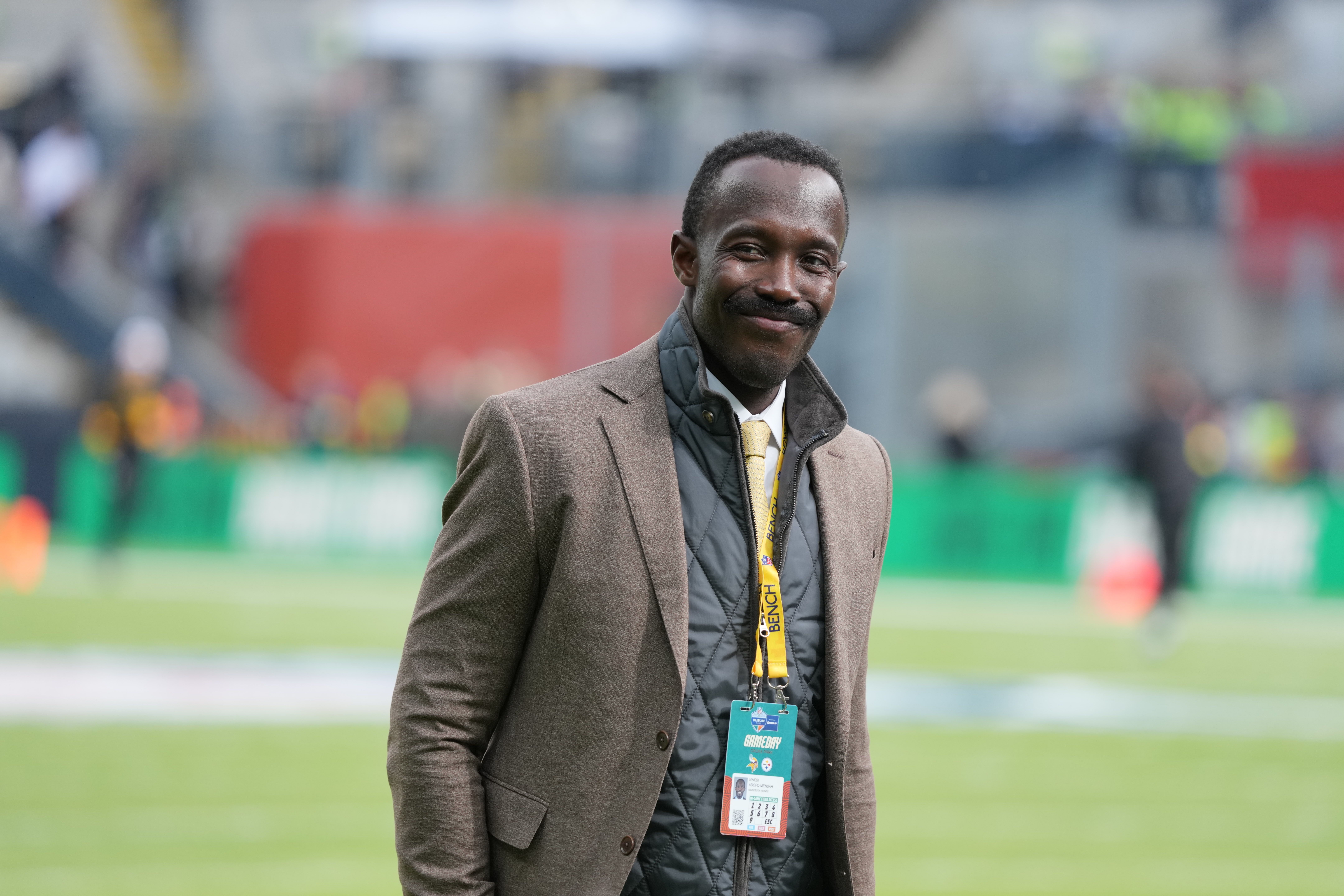
The 2025 Draft class will go down in the history books as Kwesi Adofo-Mensah’s final one with the Minnesota Vikings. Just like his first one in 2022, the class is unlikely to be viewed as a strong mark on his drafting résumé.
Bleacher Report’s Brent Sobleski graded all 32 rookie classes from the 2025 Draft and the Vikings received a D-. It’s hard to argue with his grade.
“Kwesi Adofo-Mensah is no longer the general manager of the Minnesota Vikings,” Sobleski wrote. “Multiple reasons exist for his dismissal, but his record of drafting certainly played its part. Aside from Sam Darnold’s success with the Seattle Seahawks after letting the quarterback walk in free agency, the 2025 NFL draft class didn’t help matters.”
Adofo-Mensah was let go a few weeks ago in a surprising move. Granted, it was surprising more because of the timing rather than the decision in itself. The young executive assembled some solid rosters, but the lack of young talent cannot be overlooked.
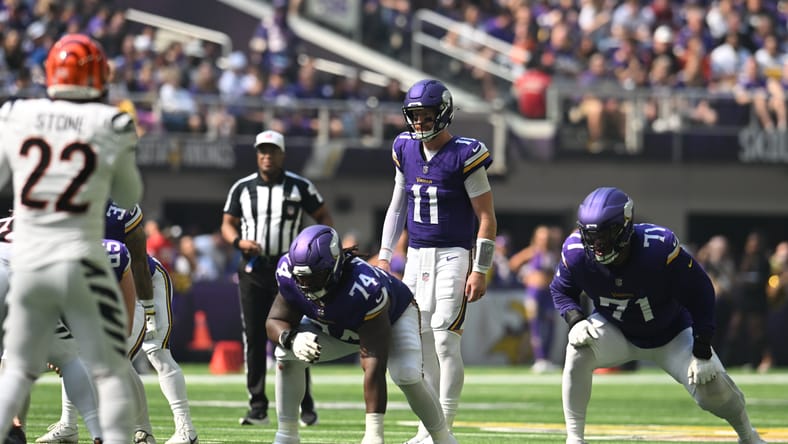
More from Sobleski: “Minnesota only had five draft picks, with three of them in the fifth round or later. A potential impact from that type of class should be minimal anyway. First-round guard Donovan Jackson will almost certainly be a long-term starter. From there, the Vikings may not get much out of last year’s rookies.”
Maybe it would have been fair to adjust the impact of the class to the site of the group. Of course, a class with five picks doesn’t have the same impact as one with 12 players. Still, only Jackson played a significant role in Minnesota’s 2025 season.
The rookie guard was handed the left guard spot and he was solid from his very first start against the Chicago Bears. Sure, there were a couple of bad games mixed in, and he missed some time with injuries, but overall, he had an encouraging season and was one of the promising elements of the struggling offense. It’s also notable that he played through injuries several times and still performed well.
Jackson surely looks like a starter for years to come. Unfortunately, his classmates haven’t shown the same promise.
Sobleski continued, “Third-round wide receiver Tai Felton entered a crowded wide receiver room and caught three passes in 17 games. That’s a difficult outcome since the Tennessee Titans chose Chimere Dike with the very next pick.”
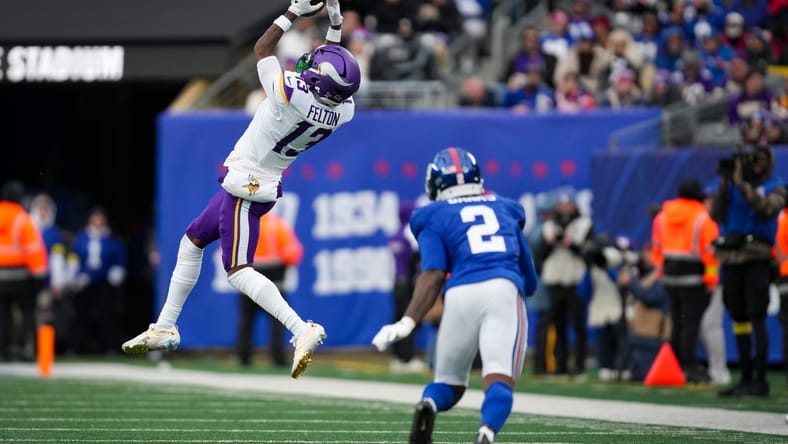
Felton basically redshirted on offense and only continued on special teams. The wideout was a wonderful gunner in punt coverage, but that’s not worth a 3rd-round pick. On offense, he never got past Adam Thielen and even without Thielen in the picture, he didn’t play a role.
The good news is that receivers don’t always come pro-ready like Justin Jefferson. K.J. Osborn exploded in his second season, Jalen Nailor in his third. That’s the trajectory the Vikings are hoping for. With Nailor expected to depart in free agency, Felton might have a chance to clinch the WR3 role, allowing him to secure more targets in 2026.
“Defensive lineman Tyrion Ingram-Dawkins can be a rotational piece, but that’s it. Fellow sixth-rounders Kobe King (released) and Gavin Bartholomew (back injury) did little of note,” Sobleski concluded.
Ingram-Dawkins was a solid rotational player and has shown some promising flashes on a crowded defensive line. As he’s still only 22 years old, he could be a sneaky breakout player for the Vikings.
King and Bartholomew have yet to make a notable impact at the NFL level. The former was released halfway through the season, leaving the linebacker depth chart shallow. Instead of developing the Penn State alumnus, the club just parted ways with him and watched him be snagged by the New York Jets. It will remain a strange move, especially with the current linebacker room in mind, which is pretty much only Blake Cashman.
Bartholomew still has a chance to wear the purple colors. A back injury cost him his entire rookie season, but he returned to practice later in the season.
Overall, Sobleski isn’t wrong. The Vikings didn’t get much out of their class and they need better results moving forward. Sobleski’s evaluation reflects the limited on-field impact from the class so far and the broader lack of rookie contributions.