
The Vikings’ Strange Aversion to Analytics

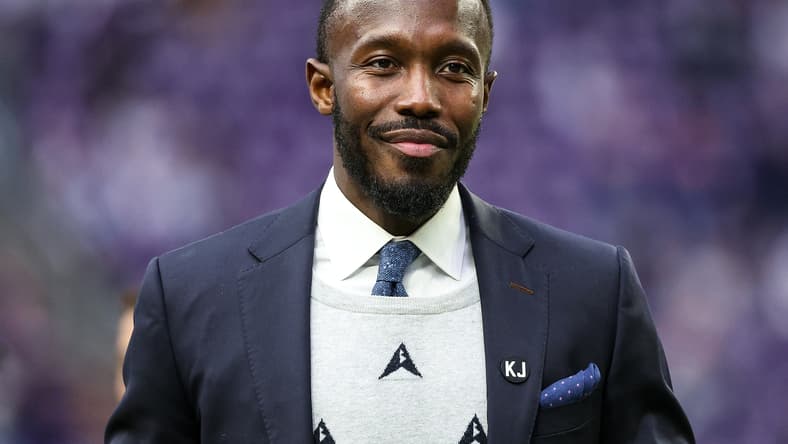
One of the great mysteries of this era of Vikings’ football is why a team run by the analytics GM has so often departed from the advice of the analytics community.
Kwesi Adofo-Mensah’s tenure as Vikings GM began with a bang when, in the 2022 NFL draft, Kwesi traded down from 12 to 32 with the Detroit Lions. The trade was widely criticized by many Vikings fans, who expected a larger return from such an early pick, yet the analytics community applauded it: given the unpredictable nature of the NFL draft, the analytics-based draft value charts tend to favor trading down unless a QB is involved.
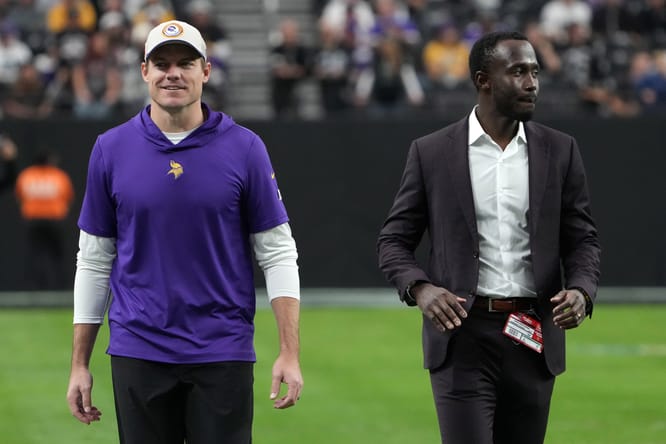
Thus, while controversial (and ultimately unsuccessful), the trade nonetheless fit with our expectations of Kwesi: the mathematically-minded, former Wall Street trader trusted the numbers over conventional wisdom and intuition.
Ever since that day, however, Kwesi and head coach Kevin O’Connell have repeatedly made decisions that run counter to the advice of the analytics community. In 2023, Kwesi stayed put and selected Jordan Addison in the first round. In 2024, he traded up—twice—to select Dallas Turner.
In 2025, he again stayed at 24 and picked Donovan Jackson. In all cases, Kwesi was criticized by analytics gurus like ESPN’s Seth Walder for selecting a non-QB rather than trading down for more picks.
To be fair, Kwesi’s decisions to spurn the advice of Seth Walder and friends have looked pretty good so far: Jordan Addison, Donovan Jackson, and Dallas Turner have to date been the best players Kwesi has drafted. However, the story is quite different when it comes to some of the decisions made by Kevin O’Connell.

For example, down by nine points with less than ten minutes left in the Week 2 showdown against Atlanta, KOC chose to punt on 4th and 1 from the Vikings’ own 28-yard line. According to the 4th down decision calculator on rbsdm.com, this decision lowered the Vikings’ chances of victory by 3.4% from 13% to 10%.
In an age where—motivated by analytics—teams have been more aggressive than ever on 4th down, KOC’s decision to punt was so conservative that even the traditionalists ridiculed it. More generally, KOC has placed somewhere in the middle of the pack among NFL head coaches on 4th down decisions: adequate, but not as willing to trust the numbers as you might have expected from a young head coach with Kwesi for his boss.
To some extent, I’m willing to believe that Kwesi and his front office might simply disagree with the so-called analytics experts.
The analytics models are not infallible: they rely on assumptions that may not be well-justified and have limited domains of validity. For instance, the analytics gurus’ advice to trade down in the NFL draft cannot possibly be universally correct: eventually, a team needs to stick and pick, lest they be stuck with nothing but dozens of 7th round picks.
But no amount of goodwill can excuse KOC’s justification for punting against the Falcons. According to him, the Vikings’ inability to convert a 4th and 1 earlier in the game led him to turtle with the game on the line. This sort of thinking is unjustifiable, and it calls into question the Vikings’ decision-making process.
Perhaps we’ll see changes if the Vikings continue to struggle this season, but it’s a bit hard to imagine significant changes this far into Kwesi’s and KOC’s tenure.